A Guide to Jávea
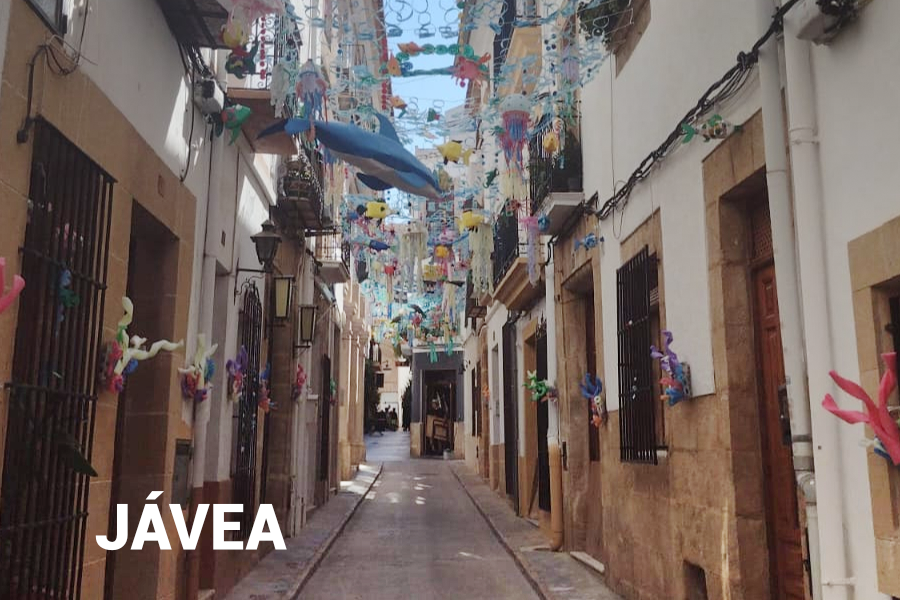
Jávea is a beautiful coastal town in the province of Alicante and one of the largest in the Marina Alta, home to around 30,000 residents.
Life moves at a slower pace than major cities, and the town offers some of the best beaches on the Costa Blanca, excellent food and entertainment you can enjoy with friends and family.
You can expect warm, sunny weather throughout the year and many local fiestas and cultural events.
Jávea is well connected to Alicante, Benidorm, Valencia and even the Balearic Islands
What to do in Jávea
Fiestas
Fira i Porrat de Sant Antoni
The 17th of January is the day of Saint Anthony, but the festival extends from the 10th of January to the 2nd of February.
They celebrate with parades, blessing animals, and an event known as the Cremà de Pi; which involves a symbolic transfer of a pine tree from the Plaza de la Constitución to El Ravalet in the morning, followed by a bonfire in the evening.
San Sebastián
The patron saint of Jávea, San Sebastián, is honoured with fireworks, traditional music, street parades and the running of the bulls.
As the start date has varied over the years, visitors should check local sources for the most up-to-date information.
Carnival
Carnival begins with a colourful children's costume parade and a musical performance. In the evening, a second parade begins in the Plaza del Convent and finishes in the Plaza de la Constitución, where festivities continue late into the night with a street party.
Jesús Nazareno
During the third week of Lent, a statue of Jesús Nazareno is carried in procession from the Ermita del Calvario to the Iglesia de San Bartolomé, where it remains until the 3rd of May. It is then returned to the Ermita in another procession.
The celebrations include a running of the bulls, fireworks, and the creation of the Cruces de Mayo, floral crosses displayed throughout the historic centre. These crosses can be visited and are often awarded prizes.
Hogueras de San Juan
The Hogueras de San Juan takes place in June, celebrating the arrival of summer with fireworks, bull-running, street parades and musical performances.
On the 23rd of June is the famous Nit dels Focs de Sant Joan, where locals traditionally jump over bonfires and burn old furniture.
Moors and Christians
During the third week of July, the Moors and Christians festival begins, celebrating with parades, elaborate costumes and theatrical re-enactments of battles between Moors and Christians.
Virgen de los Ángeles
In the first week of August, Jávea honours the Virgen de los Ángeles with a Mass and a Procession, followed by dances in the street in the evening.
Virgen de Loreto
From late August and continuing into September, the neighbourhood of Duanes de la Mar celebrates their patron saint, Virgen de Loreto.
The tradition dates back to 1850 when sailors recovered a statue from the bell of a vessel that had run aground.
Signalling the end of summer, the neighbourhood host parades, musical performances and a well-known running of the bulls on the jetty, where participants often leap into the sea to escape.
The festival closes with an impressive fireworks display.
Santa Lucía
On the 13th of December, the people of Jávea honour Santa Lucía with music, buñelos de calabaza and mistela.
Market
Every Thursday there is a market in the Plaza de la Constitución from 08:30 to 13:00. Here you can browse stalls selling fresh, local produce, olives, leather goods and clothing.
Casa del Cable
Casa del Cable was built in 1860 as a telegraph station that enabled communication between the mainland and the Balearic Islands.
After extensive restoration, it now serves as one of Jávea’s main cultural spaces, regularly hosting art exhibitions.
Museo ca Lambert
Museo Ca Lambert was constructed in 1857 and was originally used as a pharmacy until the 1980s.
Following a renovation, which involved adding new spaces, it has become a cultural centre for exhibitions, workshops and community events.
Museum of Archaeology and Ethnology
The Museum of Archaeology and Ethnology is located in the historic palace of Antoni Banyuls, once the royal butler to King Felipe III.
The collection features local artwork, and various artefacts including archaeological discoveries from the sea, dating as far back as the 7th century BC.
Hiking
Montgó
The route from the port of Jávea to the summit of Montgó, the distinctive mountain that rises between Jávea and Dénia, gives hikers incredible views of the Marina Alta and Mediterranean coastline.
The Montgó Nature Park offers different routes where you can explore caves and the historical watchtowers that once helped protect the region.
According to the FEMECV, the route currently lacks quality control, so be sure to take all the necessary precautions before any trip.
Where to Eat in Jávea
Jávea has an exceptional variety of places to eat and drink, whether you want to eat in the historic old town, with views of the Mediterranean or in the peaceful urbanisations.
With so many options to choose from, you won't struggle to find something to suit your requirements; some popular options include:
- Posidonia offers traditional dishes, cocktails and a view of the Mediterranea Sea
- Yerba is a short walk from the beach, offering a variety of tapas inspired by dishes from around the world
- Santa Coqueta, specialises in croquetas and tapas, found close to the town centre
Michelin Restaurants in Jávea
In 2025 Jávea had five restaurants featured in the Michelin guide, two of which received stars.
- BonAmb is a two-star Michelin restaurant, offering a menu based on local traditional cuisine
- Tula has one Michelin star, and offers dishes inspired by traditional Mediterranean dishes.
- La Perla de Jávea specialises in delicious seafood and rice dishes
- Tosca has adapted french-belgian roots to the Mediterranean, offering three incredible menus
- Volta i Volta serves new traditions; Homemade Mediterranean cuisine with a contemporary twist
Towns Close to Jávea
Gata de Gorgos
Gata de Gorgos is known for its artisan heritage, particularly weaving with the leaves of the European fan palm. They also host markets where you can buy local produce and handmade products.
Jesús Pobre
Jesús Pobre is a small agricultural town where they still have the traditional riuraus where grapes are still dried to produce raisins.
Benitatxell
Known for its wine and bean production, and the Mitjafava fest; a festival dedicated to the broad bean.
The old town is situated further inland, but the municipality extends to the coast, with stunning landscapes and sites such as Cala Moraig
Dénia
A major port town of the Marina Alta, known for its castle, long sandy beaches as well as having the title of UNESCO city of Gastronomy.
It also offers great transport links to major cities as well as ferries to the Balearic Islands.
A quick guide to the Marina Alta
The Marina Alta is a stunning part of the Valencian community located between the cities of Valencia and Alicante. Its valleys offer incredible views of the Mediterranean Sea and the...
more Blue Flag Beaches of the Costa Blanca in 2025
The Blue Flag is a voluntary programme that recognises beaches, marinas and tourism boats that meet stringent environmental, educational, safety, and accessibility criteria. Each...
more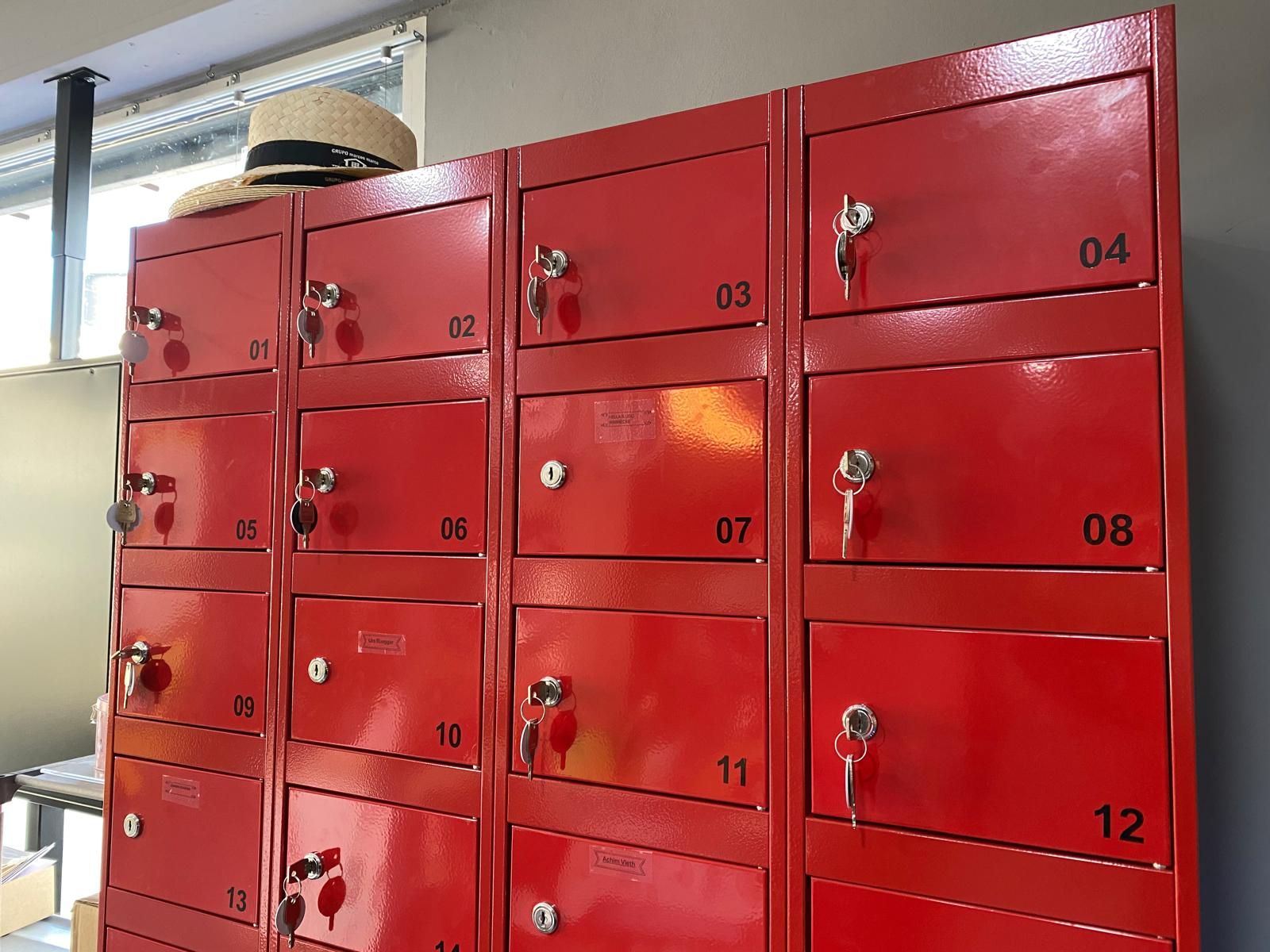
RBox: A Secure, Fixed Address for Your Deliveries All Year Round
Do you need a fixed and secure address to receive your packages? At Grupo Marcos Marco, we offer you the best solution: RBox, the most cost-effective option for those who use it all year...
more A quick guide to Pilar de la Horadada
Pilar de la Horadada is the southern most municipality of Alicante, on the border of Murcia. There are four kilometres of coast with sandy beaches, such as Mil Palmeras and Higuericas, with...
more